Preparation for Winter Boat Storage
3 Key Steps to Prepare for Winter Storage
Properly preparing your boat for winter storage is essential to maintaining its performance, appearance, and overall longevity. Cold temperatures, moisture, and inactivity can all take a toll on your vessel if it’s not adequately protected. By taking the time to thoroughly clean and inspect your boat, treat the fuel and fluids, and safeguard the interior, you can prevent costly repairs and deterioration caused by the harsh winter elements.
By following the following cleaning and maintenance practices, managing fuel and fluids, and providing interior protection, you can make sure your boat will be ready to hit the water again when the winter season comes to an end. Taking the time to properly prepare your boat for winter storage will not only extend its lifespan but also save you time and money on repairs in the long run.
These preventative measures not only preserve the value of your investment but also ensure a smooth and hassle-free start to the next boating season. To help you get started, here’s a closer look at three key steps to winterize your boat the right way. Contact us today to learn more about our winter storage availability.

1) Cleaning and Maintenance
Proper cleaning and maintenance are essential steps in preparing your boat for winter storage. Here are some to help you get started.
Thoroughly clean the interior and exterior of your boat: Remove any dirt, debris, or saltwater residue that may have accumulated during the boating season. Use a mild soap and water solution to clean the surfaces. Be sure to rinse thoroughly.
Inspect and repair any damages: Take the time to carefully inspect your boat for any damages or signs of wear and tear. Look for cracks, dents, or any other structural issues that may need attention. Repair any damages promptly to prevent further deterioration during storage.
Remove all perishables: Remove any food, beverages, or other perishable items from your boat. These items may attract pests and lead to unpleasant odors. Be sure to also remove any personal belongings that could be damaged by moisture or extreme temperatures.
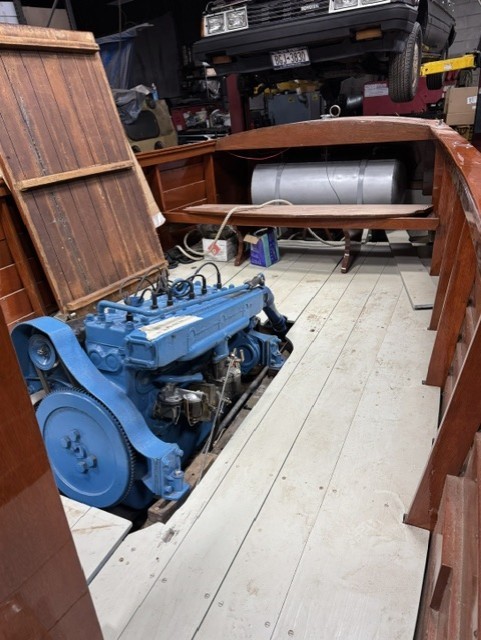
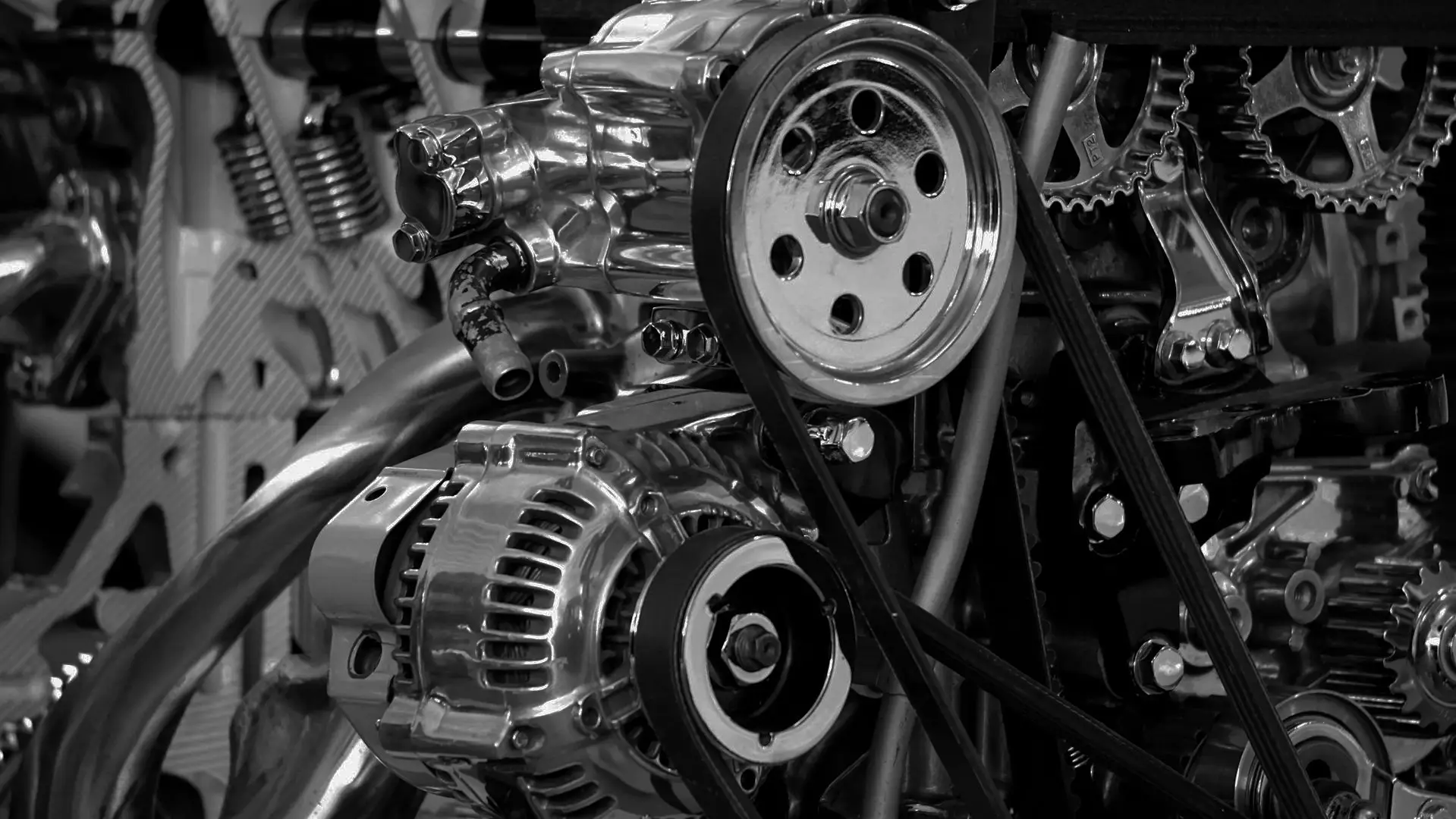
Inspect and service the engine: Before storing your boat for the winter, it’s essential to give the engine proper attention. Change the oil and oil filter, check the spark plugs, and replace any worn or damaged components. For added peace of mind, consider having a professional mechanic perform a comprehensive engine inspection to ensure everything is in top working condition before the off-season.
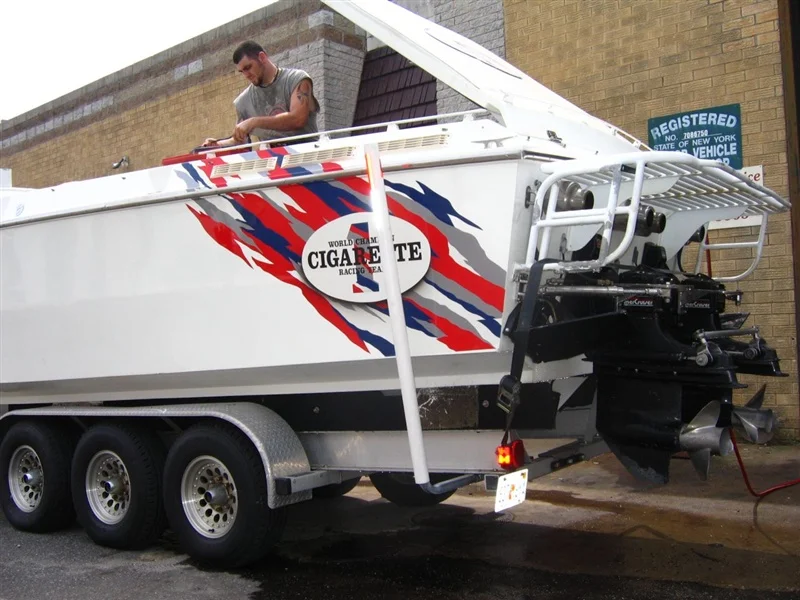
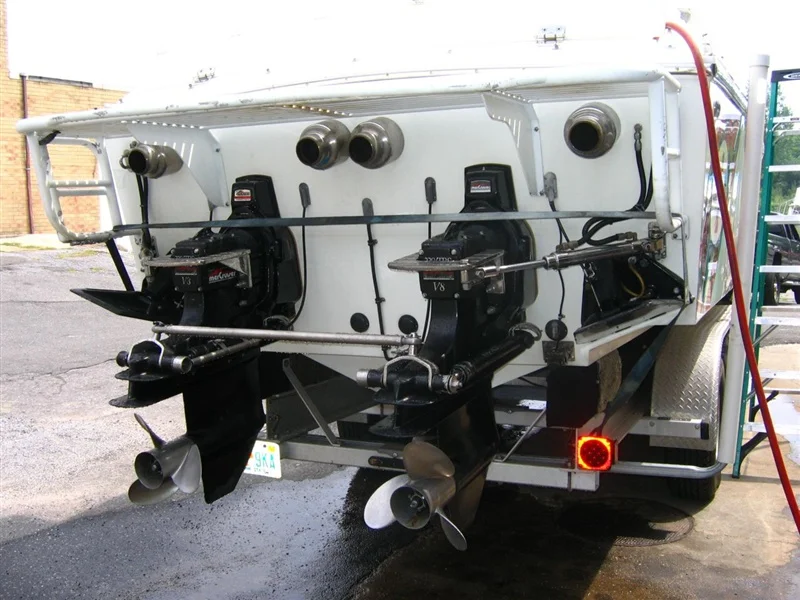
Protect the hull and propellers: To safeguard your boat during winter storage, apply a protective wax or coating to the hull to help shield it from moisture and harmful UV rays. Use marine-grade antifouling paint on the bottom of the boat to prevent algae and barnacle buildup. Additionally, inspect and thoroughly clean the propellers, removing any debris or tangled fishing lines to ensure optimal performance when the boating season returns.
2) Fuel and Fluids Management
Proper management of fuel and fluids is crucial to prevent damage to your boat’s engine and other systems during winter storage. Here are some important steps to follow.
Fill up the fuel tank: Fill up the fuel tank to prevent condensation from forming inside, which can cause damage. Then add a fuel stabilizer to the tank to prevent the fuel from deteriorating over time. Lastly, run the engine for a few minutes to ensure that the treated fuel circulates throughout the system.
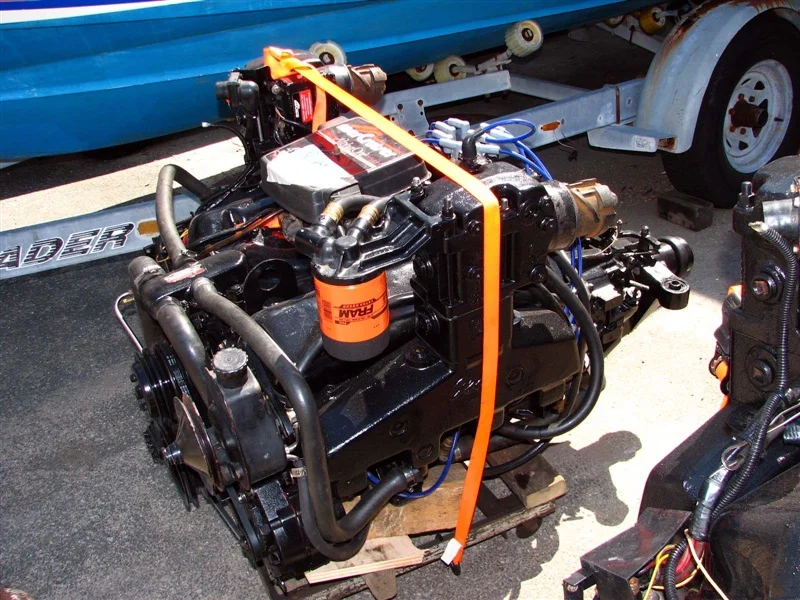
Change the oil and oil filter: It’s important to replace the engine oil and oil filter before storing your boat for the winter. Old oil can contain contaminants that may lead to internal damage if left in the engine for too long. Be sure to follow the manufacturer’s guidelines for the correct type and grade of oil to ensure proper protection during the off-season.
Flush and drain the cooling system: If your boat has a cooling system, then you need to flush it with fresh water to remove any salt or debris. To do so, drain the system completely to prevent freezing and potential damage. Refer to your boat’s manual or consult a professional for specific instructions.
Empty and flush the freshwater system: If your boat is equipped with a freshwater system, be sure to drain and flush it thoroughly to eliminate any residual water. This helps prevent freezing and potential damage during the winter months. Don’t forget to empty and clean all water tanks and storage compartments to ensure everything stays dry and in good condition.
3) Interior Protection
Taking steps to protect the interior of your boat during winter storage is just as important as caring for the exterior. Here are some to help you keep the interior in top condition:
Remove and store cushions and upholstery: Take out all cushions, upholstery, and other fabric items from your boat. Store them in a dry, climate-controlled space to avoid mold, mildew, and moisture damage. For added protection, use covers or storage bags to keep them clean and free of dust.
Open and ventilate the boat: Good ventilation is key to avoiding excess moisture and unpleasant odors inside your boat. Keep hatches and vents open to encourage airflow. You may also want to use moisture-control products like dehumidifiers or desiccant bags to help maintain low humidity levels.
Clean and treat the interior surfaces: Give the interior of your boat a deep clean, making sure to cover all surfaces such as floors, walls, and storage areas. Use a cleaner designed specifically for marine interiors to ensure it’s safe for the materials. For added protection, apply a UV-protective treatment to help prevent sun damage and fading.
Cover and secure openings: Make sure all windows, doors, and other openings are properly closed and secured to keep out water, pests, and debris. Use weatherproof seals or protective covers to create a tight seal and safeguard your boat from the elements.
Boat Storage FAQs
As a boat owner, you may have questions about the best way to store your boat during the winter months. Let’s address some common questions and provide helpful answers to ensure your boat remains in top condition until the next boating season.
Is It Necessary to Remove the Battery?
Removing the battery from your boat during winter storage is highly recommended. Cold temperatures can cause the battery to lose its charge and even freeze, which leads to irreversible damage.
Before removing the battery, make sure to disconnect it from the boat’s electrical system. This will prevent any residual drain on the battery and extend its lifespan.
Then, place the battery in a cool, dry place for storage. Preferably storing it in a garage or basement. It’s important to keep it away from flammable materials and ensure it is not exposed to extreme temperatures.
To maintain the battery’s charge, consider using a battery maintainer or trickle charger. These devices provide a low, continuous charge to keep the battery in optimal condition throughout the winter months.
By removing the battery and taking proper care of it during winter storage, you can avoid potential damage and ensure it is ready to power your boat when the boating season returns.
Can I Store a Boat in a Garage?
Storing your boat in a garage can be a convenient and effective way to protect it during the winter months. However, before choosing this storage option, there are several important factors to consider.
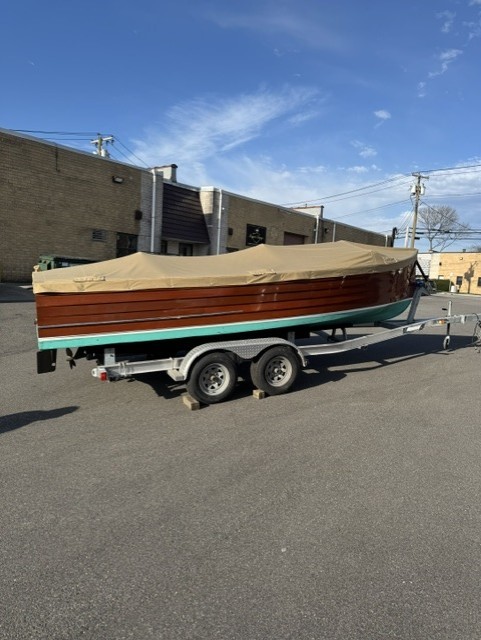
First, make sure your garage has enough space to accommodate your boat. Measure the boat’s length, width, and height, and compare those dimensions with the available space in your garage. Don’t forget to account for the trailer, if applicable, as well as enough room to safely maneuver the boat into position.
Accessibility is another important consideration. Tight corners, narrow doorways, or limited clearance can make moving your boat in and out of the garage difficult. You should also verify that the garage floor can safely support the combined weight of the boat and trailer.
If your garage is suitable for boat storage, take a few precautions to protect your boat throughout the winter. Ensure the space is properly ventilated to reduce moisture buildup and help prevent mold and mildew. Using a boat cover or tarp can also help protect the boat from dust, dirt, and other debris while it is stored.
How to Prevent Freezing Damage?
Freezing temperatures can pose a significant risk to your boat’s engine, plumbing system, and other components. To prevent freezing damage, it’s crucial to properly winterize your boat.
Start by draining all water from your boat’s plumbing system, including the fresh water tanks, faucets, and toilets. Use compressed air to blow out any remaining water from the pipes.
Next, treat your engine with antifreeze to prevent any residual water from freezing and causing damage. Follow the manufacturer’s instructions for the proper use of antifreeze in your specific engine. It’s also important to remove any water from the bilge and install a bilge heater or use a bilge pump with an automatic float switch to prevent water accumulation and freezing.
Finally, protect your boat’s exterior by applying a layer of wax or marine-grade protectant. This will help prevent moisture from seeping into cracks and causing damage when temperatures drop below freezing.